For nature lovers, the Taburno Camposauro mountain is just a few curves above the village. Picnics are possible in equipped areas, walks along remote paths in search of ancient water sources, mountain bike excursions, trekking and horse riding. It will not be difficult to find animal species such as the wild boar, the red fox, the hare, the pheasant, the hedgehog, the mole, but also birds such as kestrels, eagles, magpies, owls and owls, which are the typical fauna that populates the Regional Park of Taburno, one of the most important natural areas in Campania.
Tourist destinations easily accessible from Frasso Telesino are:
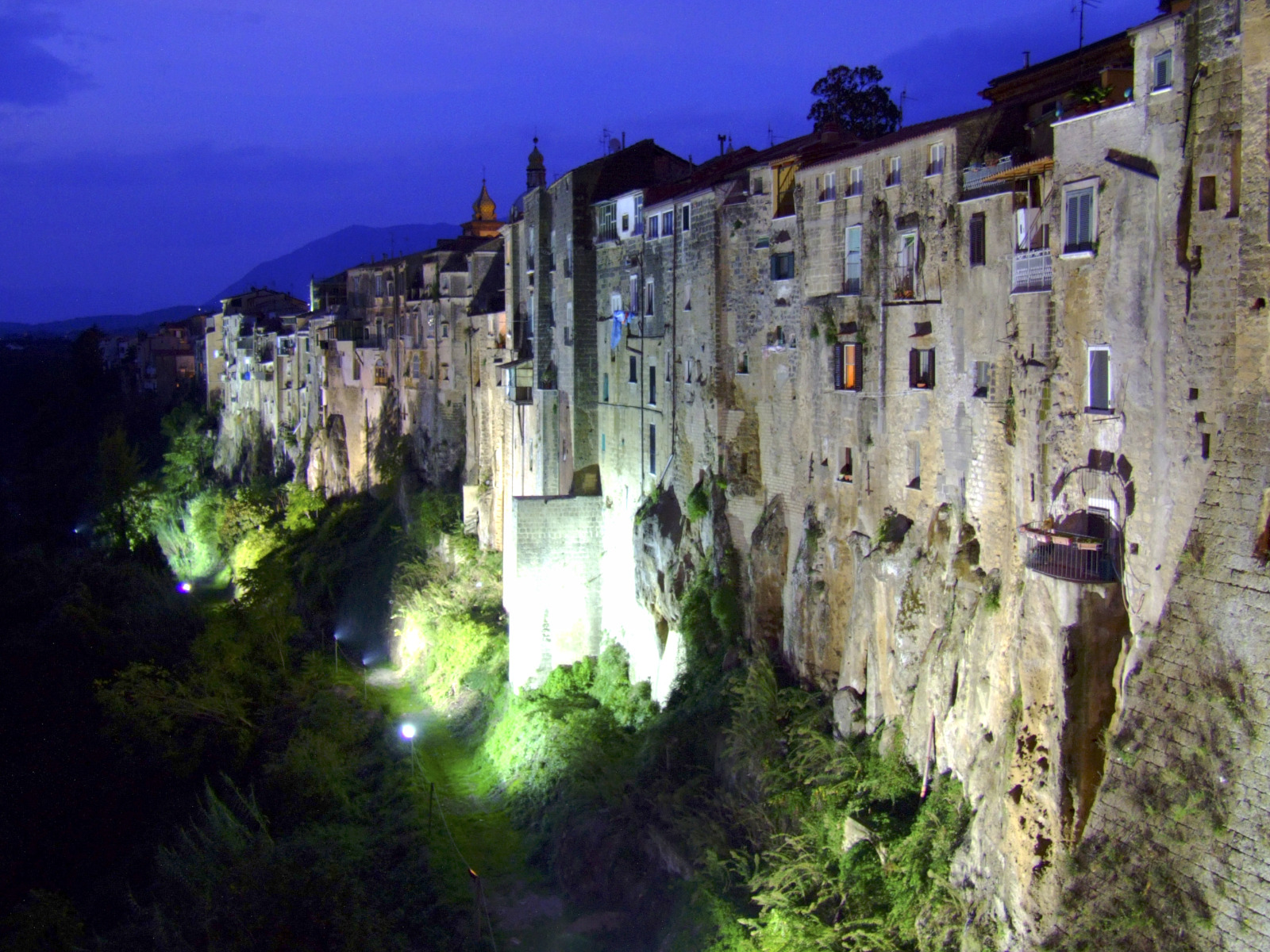 Sant’Agata dei Goti (about 13 km). It is a village set on a tuff spur in the Caudina Valley. Its historic center rests on a terrace between two rivers that form a network of valleys. It is a jewel of alleys and stone houses, with incredible monuments, such as the Ducal castle, built by the Lombards but modified and enlarged by the Normans. On the first floor of the castle there is a valuable cycle of frescoes by the painter Tommaso Giaquinto.
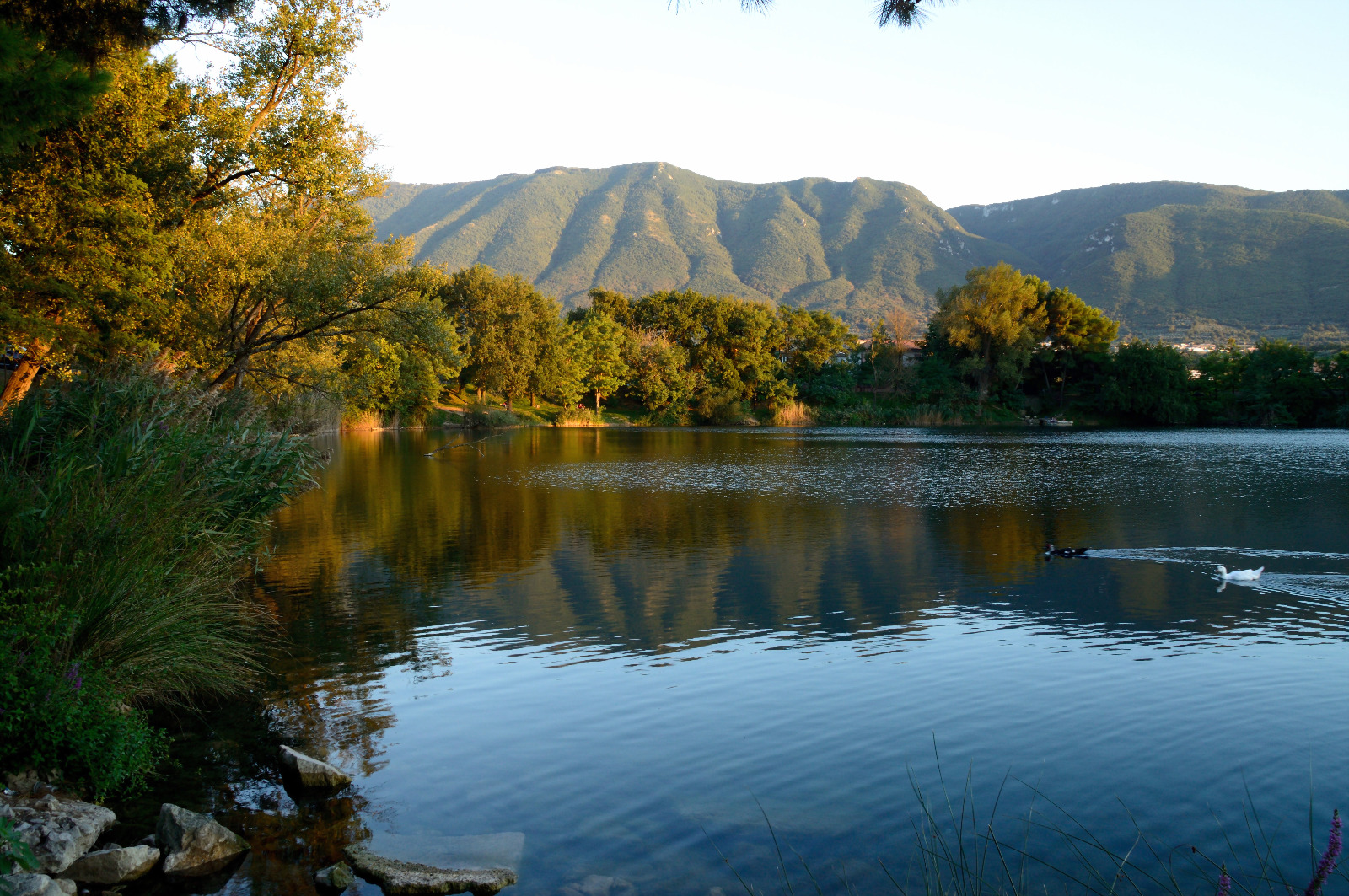 Telese Terme (about 15 km). Here sources of natural sulphurous effervescent water, rich in mineral salts, bicarbonate, magnesium and calcium, give rise to the famous Baths, immersed in the homonymous Park and open all year round, excellent remedy for skin care, rheumatism, digestive and respiratory system. Lake Telese is a small lake ideal for romantic walks, picnics and for sport fishing. Also adjacent to the village is the wonderful Parco del Grassano, amid ancient ruins and natural beauty.
The Secret Garden of Airola (17 km). It is a small Eden and is home to typical gardens with relative flora and fauna: the Japanese garden, the Chinese, the English, the Australian, the Mediterranean, the dry, the tropical and the aromatic herbs. It contains over 16,000 plants and 300 animals from 53 countries.
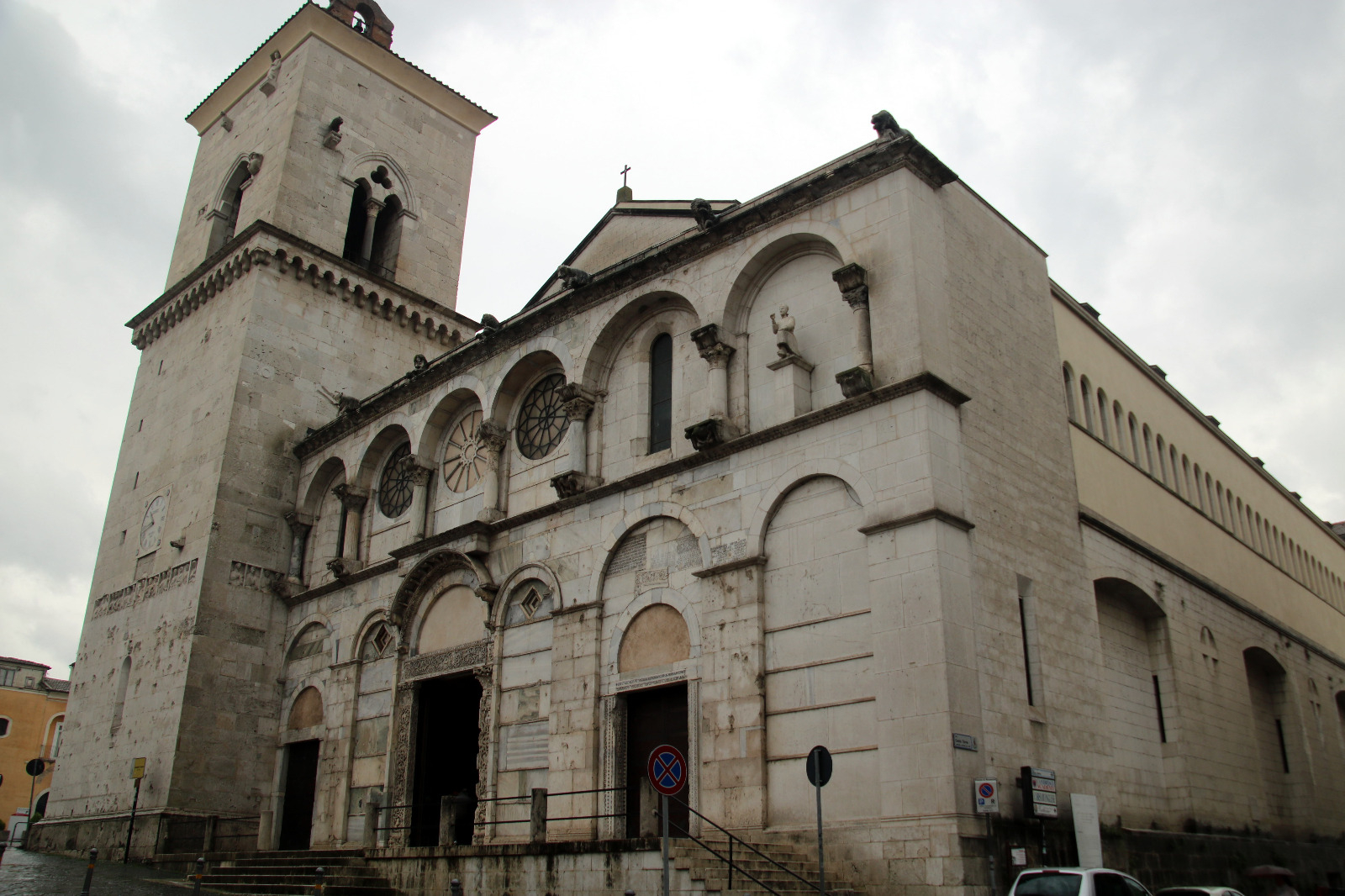 Benevento (about 35 km). It is a city rich in history and on a human scale; it was the first Samnite city, then Roman, later Lombard and finally papal, for which it boasts a significant historical, artistic and archaeological heritage. Among the most beautiful monuments there is the Church of S. Sofia, UNESCO heritage, the Rocca dei Rettori, the Museo del Sannio, the Egyptian Museum, the Arch of Trajan, the Roman Amphitheater, the Leproso Bridge, the Cathedral. It is also a city full of mysteries and myths. Among the legends that bind to Benevento, the most famous is that of the witches or in the local dialect "janare" that gathered under a walnut tree near the river Sabato. The witches hover over the city, giving its name to one of its famous liqueurs.
Pietrelcina (43 km). The city of origin of Padre Pio that preserves the birthplace and places of his childhood and youth.
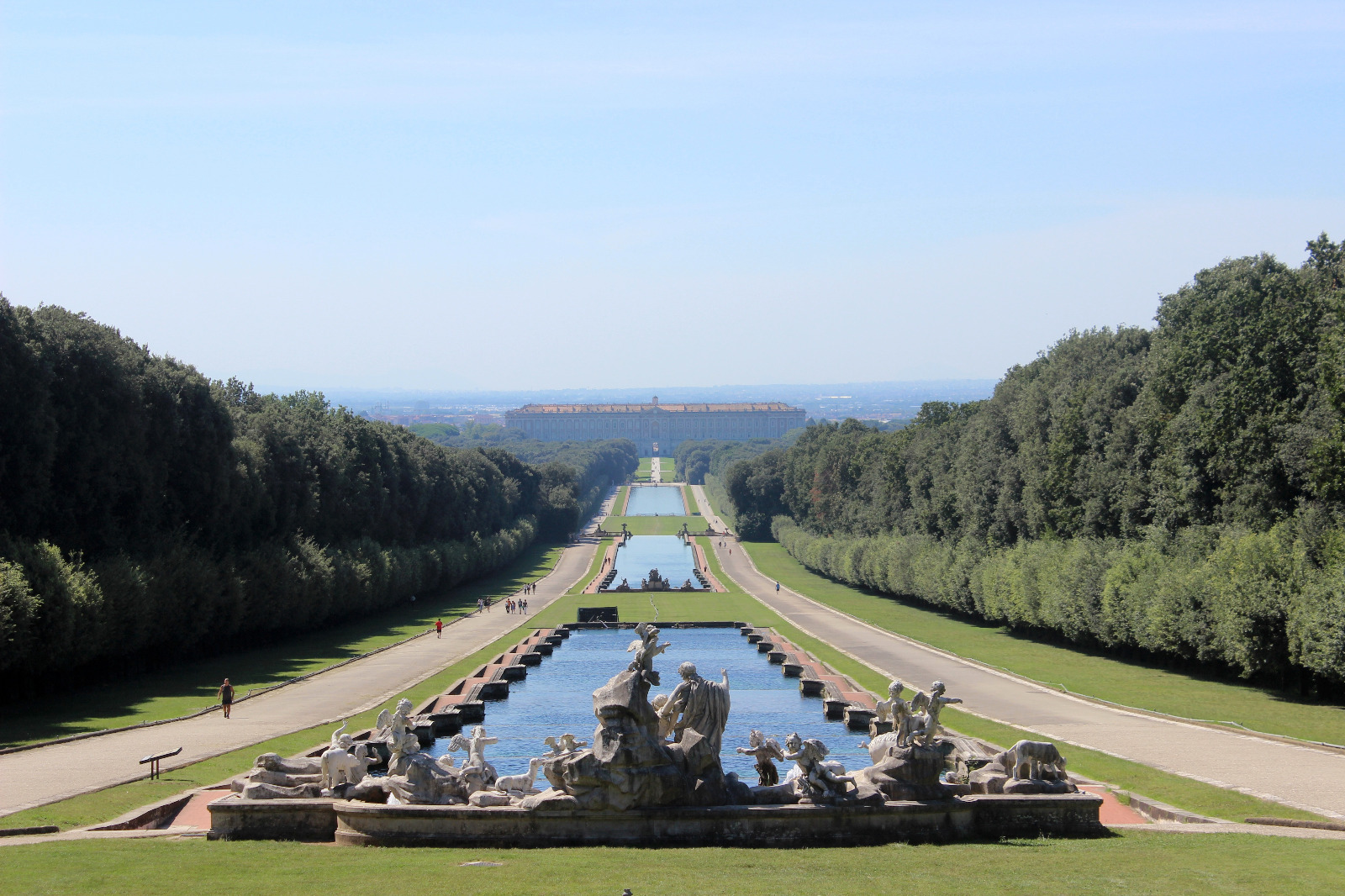 Caserta (about 32 km). It is known above all for its imposing Bourbon Royal Palace, called the Versailles of Italy, built by Carlo di Borbone who entrusted the project to the architect Luigi Vanvitelli. The Royal Palace, together with the Royal Belvedere of San Leucio and the Carolino Aqueduct, has been part of the UNESCO World Heritage since 1997. San Leucio is famous for the silk factories around which a colony of workers developed and their families with their houses, schools, parish and services, and a whole series of quite unusual privileges for the time. Today it is possible to visit the colony and the original machinery.
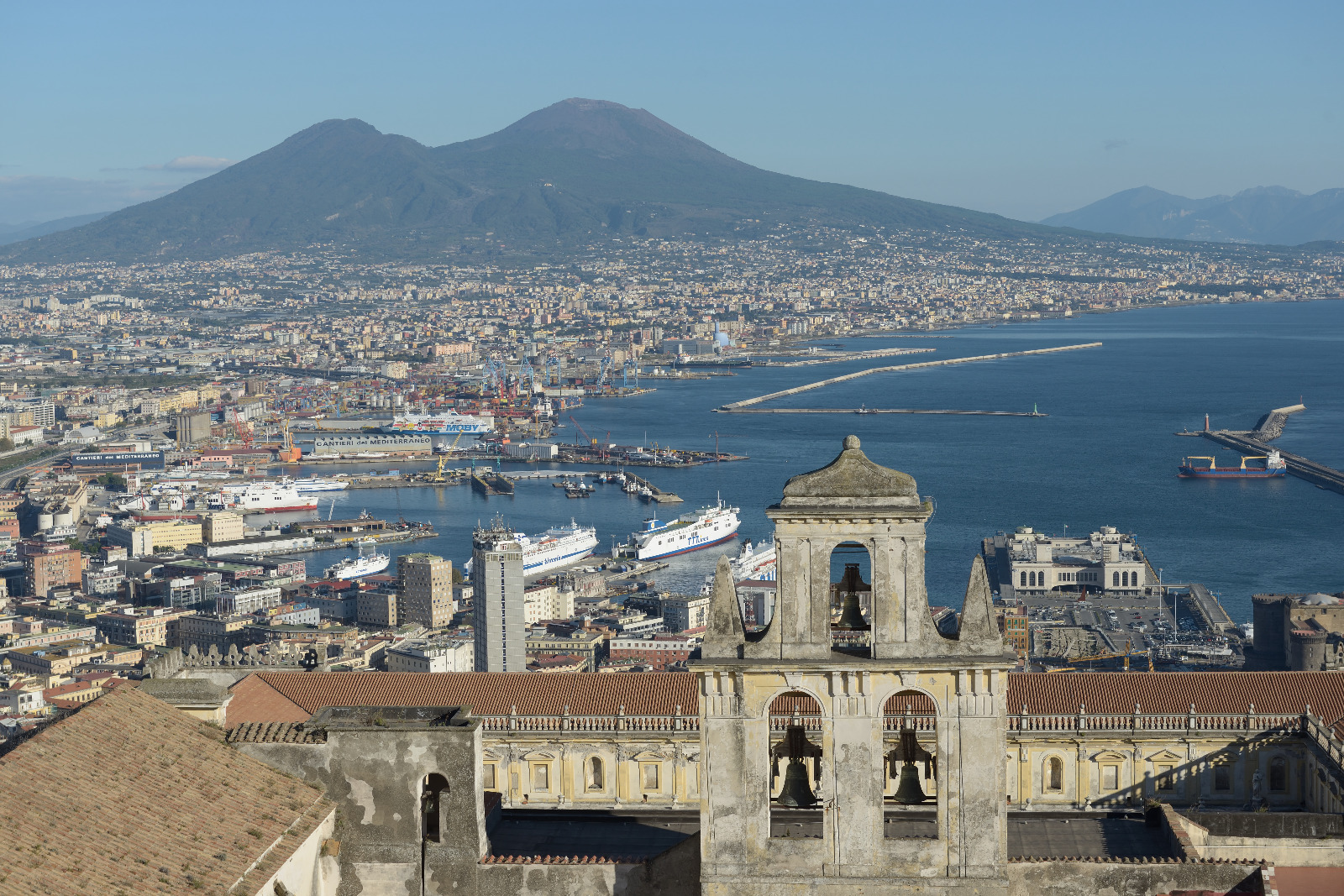 Naples (58 km, about 1 hour). It is a city that is teeming with history and life. To visit the National Archaeological Museum, with finds also coming from Pompeii and Herculaneum; the Monastery of St. Chiara dating back to the '300s with the cloister covered with 30000 hand-painted tiles; the Museo Cappella di S. Severo which houses the famous Veiled Christ; the most famous crib street in the world, the crowded via S. Gregorio Armeno; the Napoli Sotterranea, dug out of the tuff; the Cathedral with the annexed Museum of S. Gennaro; Piazza Plebiscito, near the sea, which leads to the Royal Palace, near the Maschio Angioino and the pedestrian promenade.
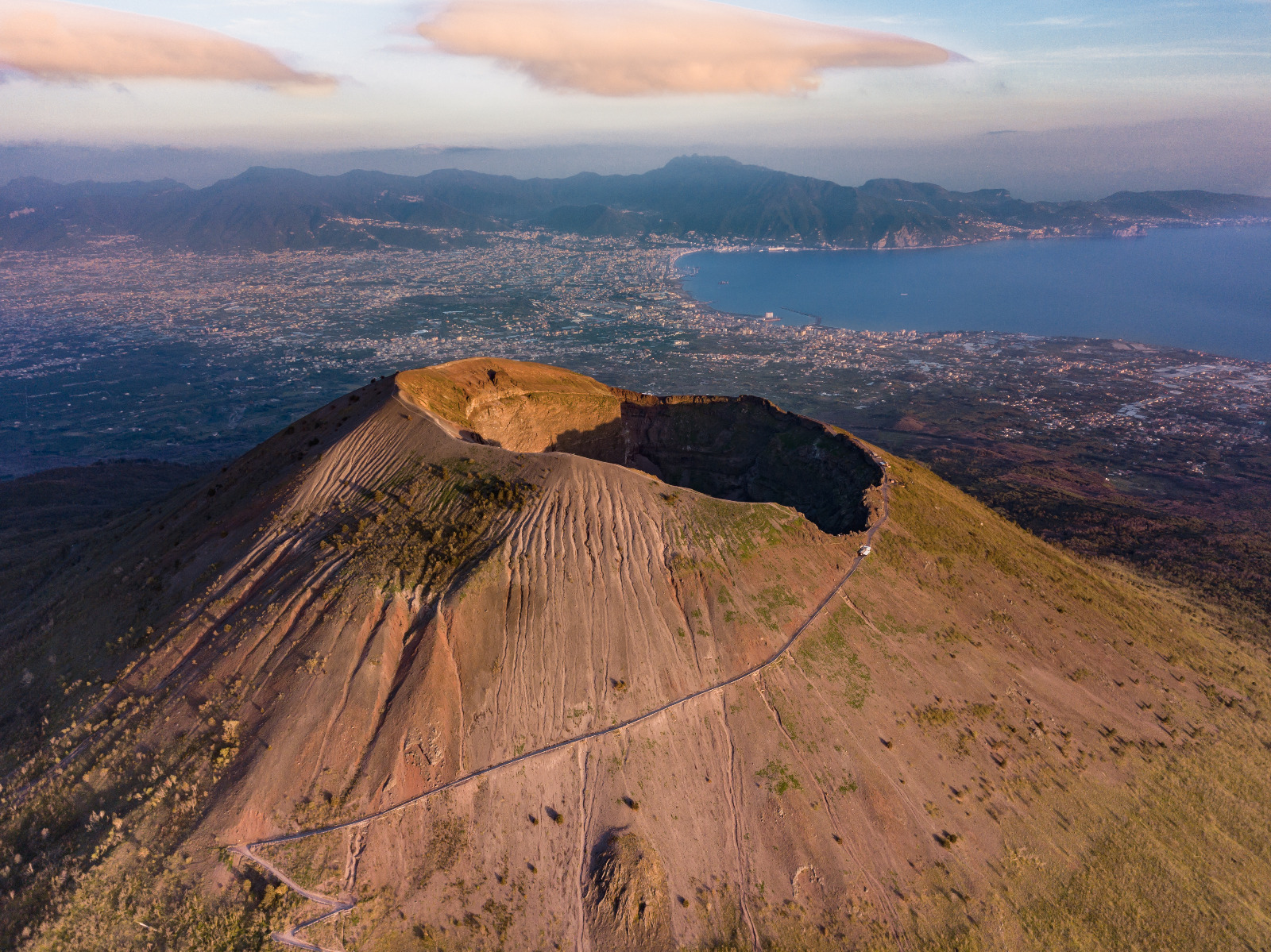 Vesuvius (about 70 km). Accessible by car, while on the top you walk along the path that leads to the crater and from which you can admire the view of the Gulf of Naples.
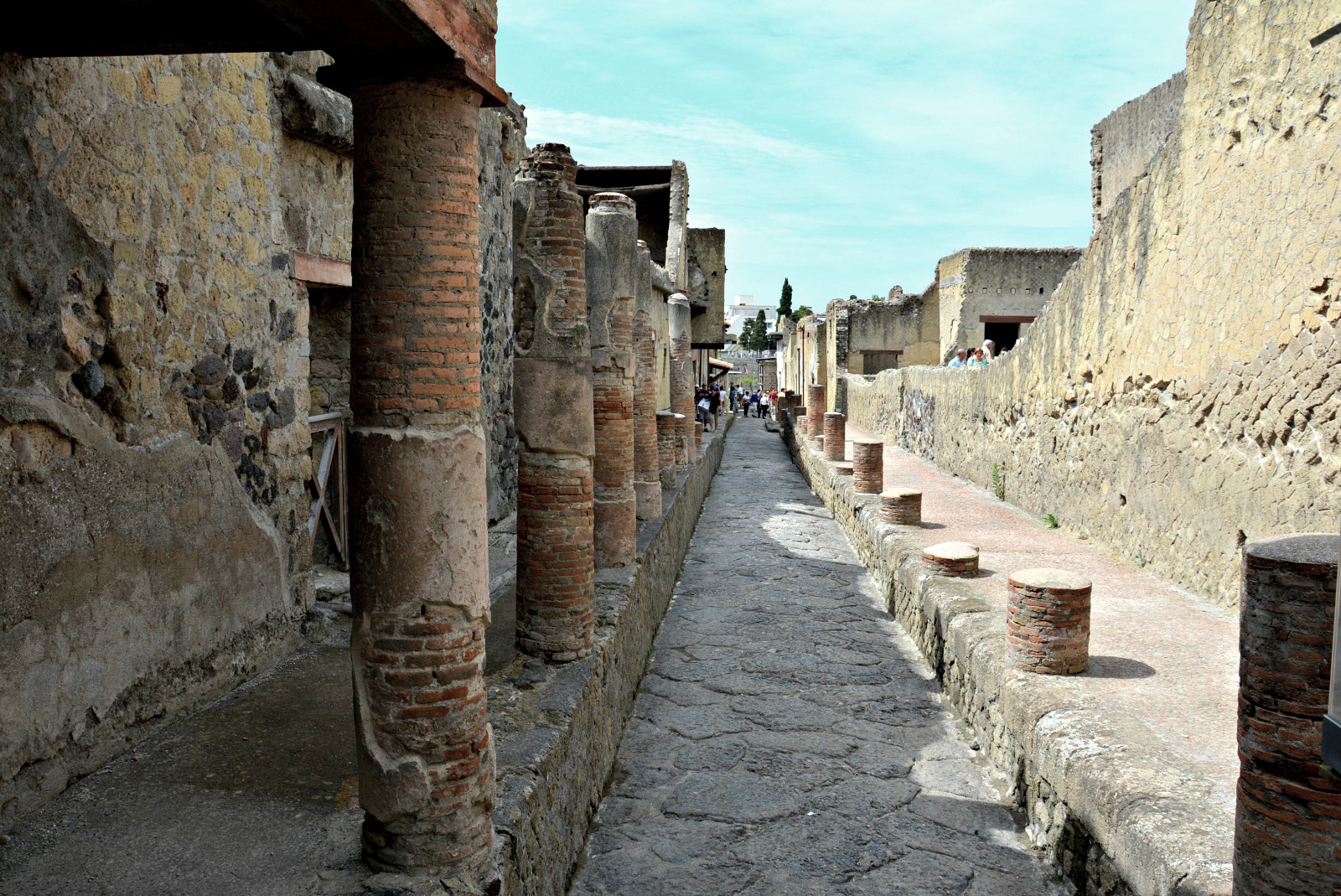 Herculaneum and Pompeii (59 km and 74 km respectively). They are the cities buried under the ashes of the eruption of Vesuvius and remained intact over millennia.
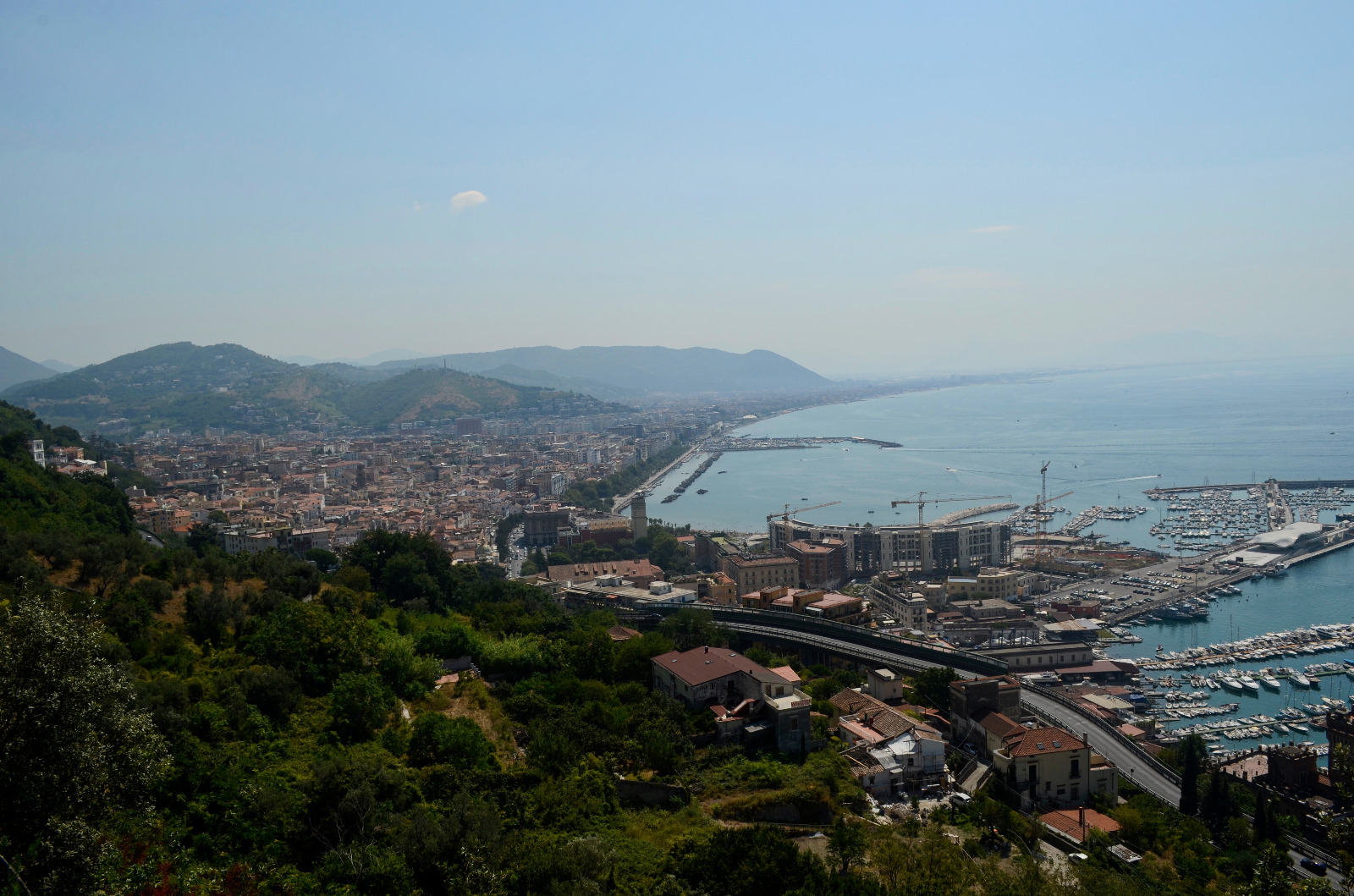 Salerno (about 100 km). It is a middle town between the Amalfi Coast and the Cilento Coast. To visit the Castle of Arechi, an impregnable fortress that still retains the austere and grim aspect of the past. Do not miss the Duomo, dedicated to San Matteo, the Provincial Museum, the Diocesan Museum and the Museum of the Salerno Medical School, a center of excellence for medicine during the Middle Ages, where even women not only studied but taught.
 Amalfi Coast (just 5 km from Salerno, there is Vietri sul Mare, the first town on the Amalfi Coast) can be reached by car, bus or ferry. Important centers of the Coast are Cetara, Maiori, Minori, Amalfi, Ravello, Positano.